
THE CONTROL PAUSE
"The control pause," is a breathing technique that focuses on regulating and improving our breath.

The Control Pause: A Breathing Method
Introduction:
Breathing is an essential aspect of human life, providing our bodies with the oxygen necessary for survival. While most of us take breathing for granted, there are various breathing techniques and methods that can positively impact our physical and mental well-being. One such method is "the control pause," which is a breathing technique that focuses on regulating and improving our breath. In this essay, we will explore what the control pause is, how it works, and its potential benefits.
1. Understanding the Control Pause:
The control pause, also known as the Buteyko method, is a breathing technique developed by Russian doctor Konstantin Buteyko in the 1950s. It revolves around the concept of "reduced breathing," emphasizing the importance of maintaining a balance between oxygen intake and carbon dioxide levels in our bodies. The control pause involves measuring the duration of time one can comfortably hold their breath after a normal exhalation.
2. How to Perform the Control Pause:
To perform the control pause, one must follow these steps:
a. Sit comfortably in an upright position.
b. Take a few calm and deep breaths to relax.
c. Exhale gently and naturally. Empty your lungs of air.
d. Pinch your nose with your fingers and start a stopwatch or timer.
e. Hold your breath until you feel the first signs of discomfort.
f. Release your nose and resume normal breathing. Calmly inhale as lightly as possible.
g. Stop the timer and record the duration of the breath hold.
3. Interpreting the Control Pause:
The duration of the control pause can provide insights into the efficiency of our breathing and overall health. According to the Buteyko method, a control pause of less than 10 seconds indicates poor respiratory function and potential health issues. A control pause between 10-20 seconds suggests average respiratory function, while a control pause of 20 seconds or more indicates optimal respiratory health and efficient breathing.
4. Benefits of the Control Pause:
The control pause technique offers several potential benefits, including:
a. Improved Oxygen-Carbon Dioxide Balance: By practicing the control pause, individuals can optimize their oxygen intake and carbon dioxide levels, leading to improved respiratory function.
b. Reduced Anxiety and Stress: The technique encourages slow and conscious breathing, which activates the parasympathetic nervous system, promoting relaxation and reducing anxiety and stress levels.
c. Enhanced Athletic Performance: Athletes and individuals involved in physical activities can benefit from the control pause technique as it helps improve breath control, endurance, and oxygen utilization during exercise.
d. Better Sleep Quality: By practicing the control pause before bedtime, individuals may experience improved sleep quality, reduced snoring, and decreased symptoms of sleep apnea.
The control pause is a breathing technique that measures the duration of time one can comfortably hold their breath after a normal exhalation. The control pause works by focusing on the balance between oxygen intake and carbon dioxide levels in our bodies. Holding the breath after a normal exhalation allows carbon dioxide to accumulate in the bloodstream. This accumulation triggers a natural response in the body, stimulating the release of oxygen to the tissues and organs.
When we hold our breath during the control pause, carbon dioxide levels gradually increase, leading to a slight sense of discomfort. This discomfort signals that the body requires oxygen, and the breath is released to resume normal breathing. By measuring the duration of the control pause, we can gain insights into the efficiency of our breathing and overall respiratory health.
The control pause also helps strengthen the diaphragm, the primary muscle responsible for breathing. Through regular practice, the diaphragm becomes more toned and efficient, allowing for deeper and more controlled breaths. This improved diaphragmatic breathing can help alleviate symptoms of respiratory conditions such as asthma, allergies, and chronic obstructive pulmonary disease (COPD).
Moreover, the control pause stimulates the parasympathetic nervous system, which is responsible for the "rest and digest" response. This activation promotes relaxation, reduces anxiety and stress levels, and enhances overall well-being. By consciously slowing down our breath and practicing the control pause, we can create a calm and balanced state within our bodies.
The diaphragm is a large, dome-shaped muscle located at the base of the lungs. When we inhale, the diaphragm contracts and moves downward, creating space in the chest cavity for the lungs to expand and fill with air. When we exhale, the diaphragm relaxes and moves upward, pushing air out of the lungs.
During the control pause, individuals focus on deep and controlled breathing. By consciously engaging the diaphragm and taking slow, deliberate breaths, the diaphragm is strengthened over time. Regular practice of the control pause helps improve diaphragmatic strength and control, allowing for more efficient breathing.
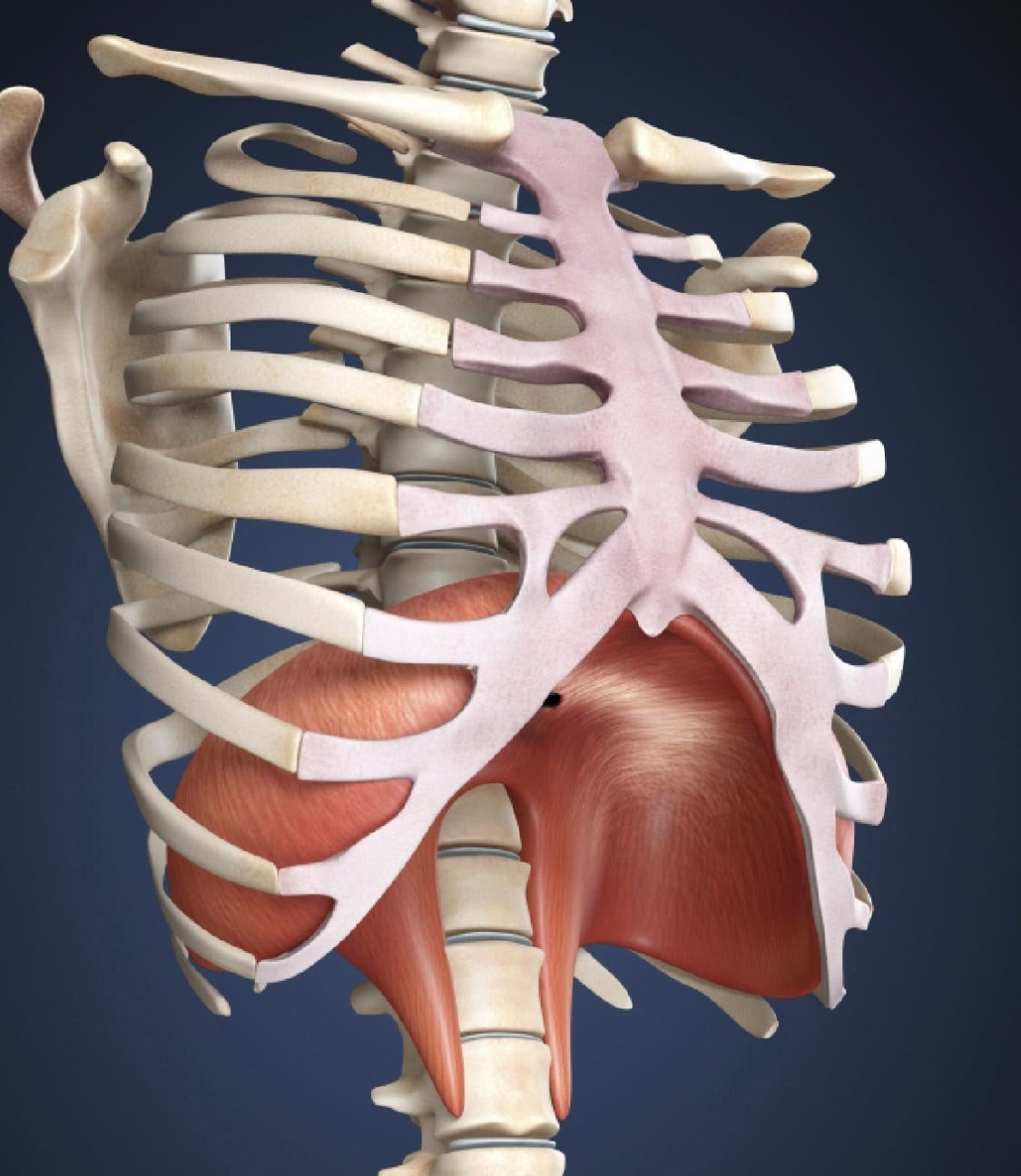
A stronger diaphragm enables individuals to take deeper breaths, increasing lung capacity and improving respiratory function. This can be particularly beneficial for individuals with respiratory conditions such as asthma, allergies, and chronic obstructive pulmonary disease (COPD). Strengthening the diaphragm through the control pause technique also promotes proper breathing mechanics, reducing the reliance on shallow chest breathing and encouraging the more efficient diaphragmatic breathing pattern.
A balanced oxygen-carbon dioxide ratio improves the efficiency of our breathing. Here's how it works:
1. Balancing Oxygen-Carbon Dioxide Ratio:
When we overbreathe, taking in more oxygen than necessary and exhaling excessive amounts of carbon dioxide, it disrupts the delicate balance between the two gases in our bodies. This imbalance can lead to various health issues and respiratory problems. The control pause technique aims to reduce breathing rate and volume, allowing carbon dioxide levels to accumulate slightly during the breath hold. This accumulation triggers a natural response in the body, stimulating the release of oxygen to the tissues and organs, thus restoring the balance between oxygen and carbon dioxide.
2. Strengthening the Diaphragm:
The control pause technique involves deep and controlled breathing, which helps strengthen the diaphragm. The diaphragm is the primary muscle responsible for breathing, and by practicing the control pause regularly, it becomes more toned and efficient. A stronger diaphragm allows for deeper and more controlled breaths, improving lung capacity and overall respiratory function. This can be particularly beneficial for individuals with respiratory conditions such as asthma, allergies, and chronic obstructive pulmonary disease (COPD).
3. Optimizing Breathing Efficiency:
By practicing the control pause, individuals become more aware of their breath and develop a conscious control over their breathing pattern. This increased awareness allows them to identify and correct any inefficient breathing habits, such as shallow chest breathing. The control pause encourages diaphragmatic breathing, where the breath originates from the diaphragm rather than the chest. This type of breathing is more efficient, allowing for a greater exchange of oxygen and carbon dioxide in the lungs and improving overall respiratory function.
4. Activating the Parasympathetic Nervous System:
The control pause technique activates the parasympathetic nervous system, which is responsible for the "rest and digest" response in our bodies. When we hold our breath during the control pause, it stimulates the parasympathetic nervous system, promoting relaxation and reducing stress and anxiety levels. This activation helps regulate the respiratory system by allowing it to function in a more balanced and harmonious state. It also promotes overall well-being and a sense of calmness.
In summary, the control pause helps regulate the respiratory system by promoting a balanced oxygen-carbon dioxide ratio, strengthening the diaphragm, optimizing breathing efficiency, and activating the parasympathetic nervous system. By practicing this technique regularly, individuals can improve their respiratory health, enhance breathing control, and experience a greater sense of relaxation and well-being.