
Biblical Tithing
Giving your tithe to Jesus, our High Priest forever, to present to Our Father God, is honoring the system of the Heavenly Hierarchy.

This article will explore the significance of first fruits, Jesus as the High Priest presenting our offerings to Father God, and the importance of giving with a joyful heart. Expressing our gratitude and praise to Our Father.
I began my practice of tithing by setting aside the "first fruit" from my earnings, placing it in a special place, and offering a heartfelt prayer as I presented it to Jesus, knowing that He would then present it to our Father. This act of tithing is important to me because it safeguards my blessings from the clutches of the devil.
One of the joys of tithing is using the funds to distribute Dake Bibles. This is not just a mere suggestion, but rather a requirement of tithing - it must be done with a cheerful heart. Many preachers challenge their congregations to try tithing for 30 days and see the positive impact it has on their lives.
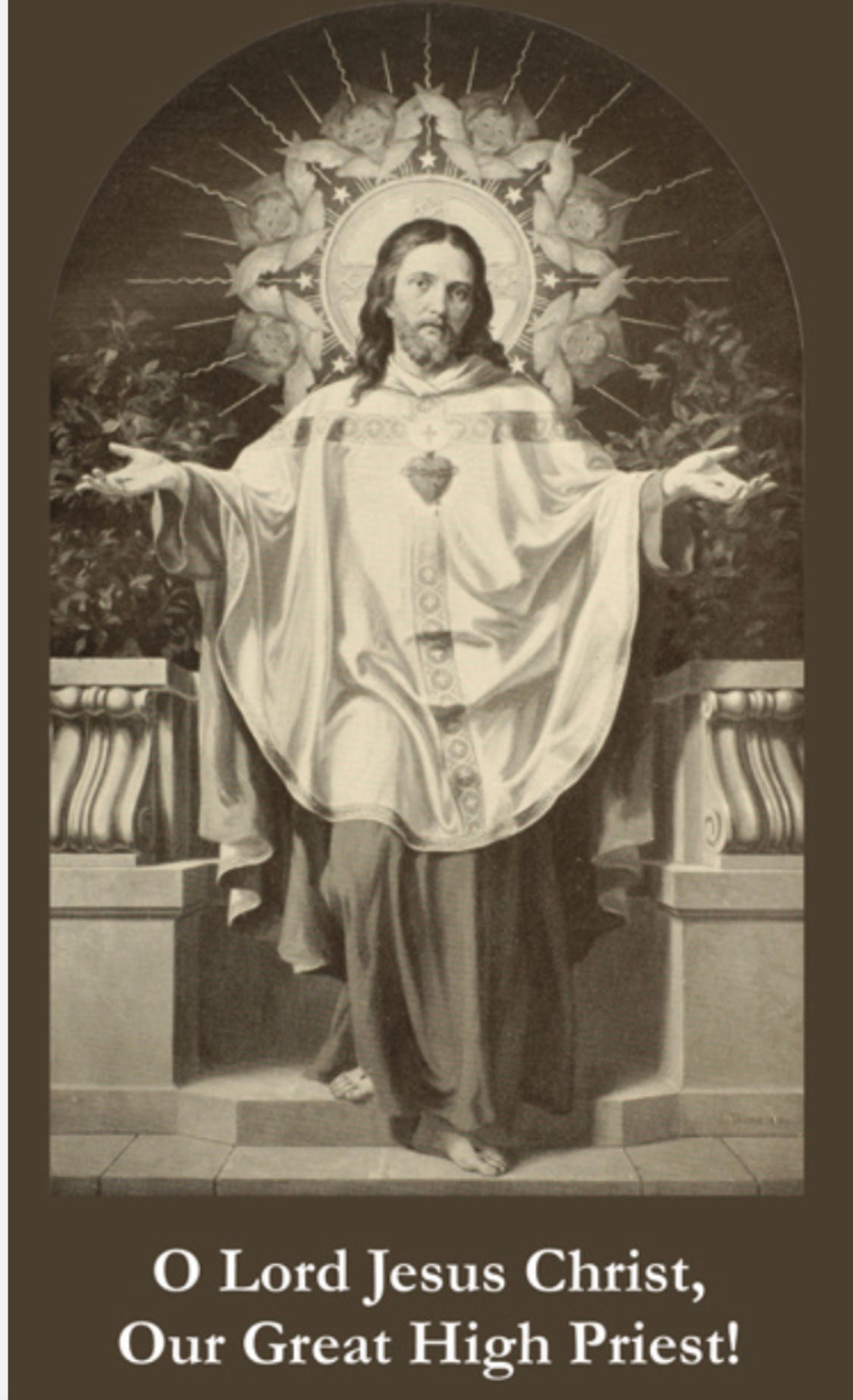
I PRAY:
Dear Father, I am forever grateful and full of praise for the way You have translated me from a place of darkness into Your glorious kingdom. It is a kingdom filled with mercy, joy, peace, and abundance.
Now, I bring my tithe to You, Lord Jesus. It represents the firstfruits of the blessings You have bestowed upon me, and I plant it in Your kingdom like a seed of blessing. I eagerly anticipate the heavenly blessings that will be multiplied and poured out upon me in return.
I thank You, Lord, for rebuking Satan on my behalf. I stand in agreement with Your Word that he will not be able to destroy the blessings and abundance in my life. I am a citizen of Your kingdom, and I boldly claim the rights and privileges that come with it. Thank You, Jesus, for the unlimited resources of heaven that are available to me.
I hold onto the promises found in Malachi 3:10-11, Colossians 1:12-17, Luke 6:38, Deuteronomy 28:1-13, John 14:13-14, and John 16:23. I believe and declare these promises over my life in Your name, Jesus Christ. Amen.
These verses remind us of the faithfulness of God to bless us abundantly as we trust in Him and faithfully give our tithes and offerings.
Malaki 3:10-11
Bring ye all the tithes into the storehouse, that there may be meat in mine house, and prove me now herewith, saith the LORD of hosts, if I will not open you the windows of heaven, and pour you out a blessing, that there shall not be room enough to receive it.
And I will rebuke the devourer for your sakes, and he shall not destroy the fruits of your ground; neither shall your vine cast her fruit before the time in the field, saith the LORD of hosts.
Colossians 1:12-17
Giving thanks unto the Father, which hath made us meet to be partakers of the inheritance of the saints in light:
Who hath delivered us from the power of darkness, and hath translated us into the kingdom of His dear Son:
In whom we have redemption through His blood, even the forgiveness of sins:
Who is the image of the invisible God, the firstborn of every creature: For by Him were all things created, that are in heaven, and that are in earth, visible and invisible, whether they thrones, or dominions, or principalities, or powers: all things were created by Him, and for Him:
And He is before all things, and by Him all things consist.
Luke 6:38
Give, and it shall be given unto you; good measure, pressed down, and shaken together, and running over, shall men give into your bosom. For with the same measure that ye mete withal it shall be measured to you again.
Deuteronomy 28:1-13, is a powerful passage that speaks of the blessings that come upon those who diligently obey and follow the commandments of the Lord. These blessings include being set above all nations, being blessed in the city and in the field, and having fruitful offspring, livestock, and crops. The Lord promises to bless our provisions and establish us as His holy people. Enemies will be defeated, and all people will recognize that we are called by the name of the Lord. We will be blessed with abundance and not have to borrow, and we will be the head and not the tail.
Deuteronomy 28:1-13
And it shall come to pass, if thou shalt hearken diligently unto the voice of the LORD thy God, to observe and to do all his commandments which I command thee this day, that the LORD thy God will set thee on high above all nations of the earth:
And all these blessings shall come on thee, and overtake thee, if thou shalt hearken unto the voice of the LORD thy God.
Blessed shalt thou be in the city, and blessed shalt thou be in the field.
Blessed shall be the fruit of thy body, and the fruit of thy ground, and the fruit of thy cattle, the increase of thy kine, and the flocks of thy sheep.
Blessed shall be thy basket and thy store.
Blessed shalt thou be when thou comest in, and blessed shalt thou be when thou goest out.
The LORD shall cause thine enemies that rise up against thee to be smitten before thy face: they shall come out against thee one way, and flee before thee seven ways.
The LORD shall command the blessing upon thee in thy storehouses, and in all that thou settest thine hand unto; and he shall bless thee in the land which the LORD thy God giveth thee.
The LORD shall establish thee an holy people unto himself, as he hath sworn unto thee, if thou shalt keep the commandments of the LORD thy God, and walk in his ways And all people of the earth shall see that thou art called by the name of the LORD; and they shall be afraid of thee.
And the LORD shall make thee plenteous in goods, in the fruit of thy body, and in the fruit of thy cattle, and in the fruit of thy ground, in the land which the LORD sware unto thy fathers to give thee.
The LORD shall open unto thee his good treasure, the heaven to give the rain unto thy land in his season, and to bless all the work of thine hand: and thou shalt lend unto many nations, and thou shalt not borrow.
And the LORD shall make thee the head, and not the tail; and thou shalt be above only, and thou shalt not be beneath; if that thou hearken unto the commandments of the LORD thy God, which I command thee this day, to observe and to do them:
In John 14:13-14, Jesus assures us that whatever we ask in His name, He will do, so that the Father may be glorified in the Son. When we ask in Jesus' name, we can have confidence that He will answer our prayers.
In John 16:23, Jesus again emphasizes the power of asking the Father in His name. He assures us that whatever we ask the Father in His name, the Father will give it to us.
These verses remind us of the authority and power we have as children of God to approach Him in prayer and ask for His blessings and provision. When we align our requests with His will and ask in the name of Jesus, we can trust that He will hear us and answer according to His goodness and faithfulness.
Malachi 3:10-11 reminds us to faithfully bring our tithes into the storehouse, trusting in the Lord's assurance that He will open the windows of heaven and pour out blessings upon us. He also promises to protect the fruits of our labor by rebuking the devourer.
Colossians 1:12-17 urges us to express gratitude to the Father who has made us partakers of the inheritance of the saints in light. Through Jesus, we have been delivered from the power of darkness and transferred into His kingdom. He is the image of the invisible God, the firstborn of all creation, and everything was created through Him and for Him.
Luke 6:38 encourages us to give generously, knowing that the measure with which we give will determine the measure of blessings that will be returned to us.
These verses serve as a powerful reminder of God's faithfulness to abundantly bless us as we trust in Him and faithfully give our tithes and offerings.
Deuteronomy 28:1-13 is a profound passage that speaks of the blessings that come upon those who diligently obey and follow the commandments of the Lord. These blessings include being elevated above all nations, experiencing prosperity in both urban and rural areas, and seeing an increase in offspring, livestock, and crop yields. The Lord promises to bless our provisions and establish us as His holy people. He assures us that our enemies will be defeated, and all people will recognize that we are called by His name. We will enjoy abundance without the need for borrowing, and we will be leaders and not followers.
In John 14:13-14, Jesus assures us that whatever we ask in His name, He will do it so that the Father may be glorified. When we approach the Father in Jesus' name, we can have confidence that He will answer our prayers.
Likewise, in John 16:23, Jesus emphasizes the power of asking the Father in His name. He assures us that whatever we ask the Father in His name, the Father will grant it to us.
These verses remind us of the authority and power we possess as children of God to approach Him in prayer and request His blessings and provision. When we align our requests with His will and ask in the name of Jesus, we can trust that He will hear us and respond according to His goodness and faithfulness.
Presenting the “first fruits” is considered an act of obedience to God's commandments because it is explicitly commanded in the Bible. In the Old Testament, God instructed the Israelites to bring the first fruits of their harvest to the Lord as an offering. This commandment is found in various passages, such as:
1. Exodus 23:19: "Bring the best of the firstfruits of your soil to the house of the LORD your God."
2. Leviticus 23:10: "Speak to the Israelites and say to them: 'When you enter the land I am going to give you and you reap its harvest, bring to the priest a sheaf of the first grain you harvest.'"
3. Deuteronomy 26:2: "Take some of the firstfruits of all that you produce from the soil of the land the LORD your God is giving you and put them in a basket."
By presenting the first fruits, the Israelites were fulfilling God's commandment and demonstrating their obedience to His instructions. It was a way for them to show their devotion and loyalty to God, acknowledging Him as the ultimate provider and source of their blessings.
In the New Testament, although the practice of presenting literal first fruits is not explicitly commanded, the principle of giving our best and putting God first is emphasized. We are encouraged to offer ourselves as living sacrifices (Romans 12:1) and to give generously and cheerfully (2 Corinthians 9:6-7). These teachings further reinforce the concept of obedience to God's commandments, including the act of presenting the first fruits as an expression of devotion and trust in Him.
Overall, presenting the first fruits is considered an act of obedience to God's commandments because it is a direct response to His instructions and an expression of our willingness to follow His guidance and honor Him with our resources.
The act of presenting the first fruits to God is rooted in several principles:
1. Gratitude: Presenting the first fruits is an expression of gratitude towards God for His blessings and provision. It is a way of acknowledging that everything we have comes from Him and showing appreciation for His goodness in our lives.
2. Trust: By giving the first fruits, we demonstrate our trust in God's faithfulness and provision. It is an act of faith, believing that God will continue to provide for our needs as we prioritize His kingdom.
3. Obedience: Presenting the first fruits is an act of obedience to God's commandments. In the Bible, God instructs His people to bring their tithes into His storehouse. By obeying this commandment, we demonstrate our willingness to follow God's instructions and align our lives with His will.
4. Priority: Offering the first fruits reflects a sense of priority and order. It involves putting God first in our lives and recognizing His rightful place as the provider and sustainer of all things. It is a way of prioritizing God's kingdom and His work above our own desires and needs.
5. Faith in God's Blessings: Presenting the first fruits is also an expression of faith in God's promises of blessings. It is sowing a seed of faith, believing that as we give to God, He will multiply our blessings and provide for our needs abundantly.
6. Stewardship: By presenting the first fruits, we acknowledge our role as stewards of God's blessings. It reminds us that we are entrusted with resources and that we have a responsibility to use them wisely for God's purposes.
These principles of gratitude, trust, obedience, priority, faith in God's blessings, and stewardship are all rooted in the act of presenting the first fruits to God. They shape our understanding of tithing and guide our attitude and actions towards giving.
The article has delved into the significance of first fruits in the Biblical concept of tithing by emphasizing the act of presenting the first portion of one's blessings to God. It highlights Jesus as the High Priest who presents these offerings to Father God on our behalf. The article emphasizes the importance of giving with a cheerful heart and acknowledges that the tithe represents the firstfruits of what God has blessed us with. By planting this tithe in God's kingdom as a seed of blessing, the article expresses the expectation of receiving abundant blessings from heaven in return. This understanding of first fruits in tithing reflects the gratitude and recognition of God's provision and the act of honoring Him by offering the first and best of what we have received.
Tithing is a biblical concept that dates back to the Old Testament. In the book of Malachi, God challenges His people to bring their tithes into the storehouse, promising to open the windows of heaven and pour out a blessing that there will not be room enough to receive it (Malachi 3:10). The act of tithing involves giving a tenth of one's income or produce to God.
In the New Testament, Jesus affirms the importance of tithing when He says, "Woe to you, scribes and Pharisees, hypocrites! For you pay tithe of mint and anise and cummin, and have neglected the weightier matters of the law: justice and mercy and faith. These you ought to have done, without leaving the others undone" (Matthew 23:23). Jesus recognizes that tithing is an essential practice, but it should not be done at the expense of other important aspects of the law, such as justice, mercy, and faith.
As believers in Jesus Christ, we have the privilege of having Him as our High Priest forever. Hebrews 7:8-9 tells us, "Here mortal men receive tithes, but there he receives them, of whom it is witnessed that he lives. Even Levi, who receives tithes, paid tithes through Abraham, so to speak." Jesus, as our High Priest, presents our tithes and offerings to our Father God on our behalf. This understanding emphasizes the significance of tithing as an act of worship and obedience to God.
When we give our tithes and offerings, it is essential to do so with a cheerful heart. In 2 Corinthians 9:7, it says, "So let each one give as he purposes in his heart, not grudgingly or of necessity; for God loves a cheerful giver." God desires us to give willingly and joyfully, understanding that everything we have comes from Him. Tithing is not a burdensome obligation but an opportunity to express our gratitude and trust in God's provision.
The act of tithing not only demonstrates our obedience and gratitude but also safeguards our blessings from the clutches of the devil. In Malachi 3:11, God promises to rebuke the devourer for our sakes, ensuring that the fruits of our labor are protected. Tithing is a spiritual principle that invites God's protection and provision into our lives.
In addition to tithing, many believers also practice giving offerings beyond the tithe. These offerings are given voluntarily and are an expression of our love for God and our desire to support His work. As we give with a joyful heart, God blesses us abundantly and uses our offerings to further His kingdom.
In conclusion, biblical tithing is a practice that honors the system of the heavenly hierarchy. By giving our tithes to Jesus, our High Priest forever, to present to our Father God, we demonstrate our obedience, gratitude, and trust in God's provision. Tithing should be done willingly and cheerfully, knowing that God loves a cheerful giver. As we faithfully give our tithes and offerings, God promises to protect our blessings and pour out His blessings upon us. Let us embrace the practice of biblical tithing and experience the abundant blessings that come from honoring God with our finances.
Tithing is a biblical concept that dates back to the Old Testament. In the book of Malachi, God challenges His people to bring their tithes into the storehouse, promising to open the windows of heaven and pour out a blessing that there will not be room enough to receive it (Malachi 3:10). The act of tithing involves giving a tenth of one's income or produce to God.
In the New Testament, Jesus affirms the importance of tithing when He says, "Woe to you, scribes and Pharisees, hypocrites! For you pay tithe of mint and anise and cummin, and have neglected the weightier matters of the law: justice and mercy and faith. These you ought to have done, without leaving the others undone" (Matthew 23:23). Jesus recognizes that tithing is an essential practice, but it should not be done at the expense of other important aspects of the law, such as justice, mercy, and faith.
As believers in Jesus Christ, we have the privilege of having Him as our High Priest forever. Hebrews 7:8-9 tells us, "Here mortal men receive tithes, but there he receives them, of whom it is witnessed that he lives. Even Levi, who receives tithes, paid tithes through Abraham, so to speak." Jesus, as our High Priest, presents our tithes and offerings to our Father God on our behalf. This understanding emphasizes the significance of tithing as an act of worship and obedience to God.
When we give our tithes and offerings, it is essential to do so with a cheerful heart. In 2 Corinthians 9:7, it says, "So let each one give as he purposes in his heart, not grudgingly or of necessity; for God loves a cheerful giver." God desires us to give willingly and joyfully, understanding that everything we have comes from Him. Tithing is not a burdensome obligation but an opportunity to express our gratitude and trust in God's provision.
The act of tithing not only demonstrates our obedience and gratitude but also safeguards our blessings from the clutches of the devil. In Malachi 3:11, God promises to rebuke the devourer for our sakes, ensuring that the fruits of our labor are protected. Tithing is a spiritual principle that invites God's protection and provision into our lives.
In addition to tithing, many believers also practice giving offerings beyond the tithe. These offerings are given voluntarily and are an expression of our love for God and our desire to support His work. As we give with a joyful heart, God blesses us abundantly and uses our offerings to further His kingdom.
In conclusion, biblical tithing is a practice that honors the system of the heavenly hierarchy. By giving our tithes to Jesus, our High Priest forever, to present to our Father God, we demonstrate our obedience, gratitude, and trust in God's provision. Tithing should be done willingly and cheerfully, knowing that God loves a cheerful giver. As we faithfully give our tithes and offerings, God promises to protect our blessings and pour out His blessings upon us. Let us embrace the practice of biblical tithing and experience the abundant blessings that come from honoring God with our finances.
First time I read this one. This is eye opening